Why Your Website Matters in Digital Marketing
A website is not just a place for your business to exist online. It is where potential customers evaluate your business, understand what you offer, decide whether to trust you, and determine what to do next.
You can run effective advertising campaigns, rank well on search engines, build a social media following, and publish valuable content. But when people visit your website, they still need a reason to stay, believe your message, and take action.
That is why a website should not be treated as a separate project from marketing. It is one of the central assets through which your marketing strategy becomes visible to your audience.
Your Website Is Where Your Marketing Gets Judged
Imagine a potential customer discovers your business through a Google search. Your website appears relevant, so they click through. Within a short time, they begin evaluating what they see.
Is this business relevant to my needs? Does it understand my problem? Can I trust it? Is the service worth considering? What should I do next?
These questions may not be consciously expressed, but they influence how people respond to a website.
A website that communicates clearly, presents credible information, and provides a useful experience can strengthen a customer's confidence. A confusing, outdated, or inconsistent website can create doubt, even when the business offers an excellent product or service.
Your website does not need to be visually complicated to be effective. It needs to help the right people understand your value and make an informed decision.
Great Ads, Strong SEO, and Thousands of Followers Are Not Enough
Businesses often invest heavily in attracting attention. They run paid campaigns, improve search rankings, publish content, and build an audience on social media.
These activities can bring potential customers closer to the business, but attention is only one part of the customer journey.
Consider what happens after someone clicks an advertisement or visits your website from a search result. If the landing page does not explain the offer, the information is difficult to find, or the business provides little evidence to support its claims, the visitor may leave without taking action.
The problem may not be the amount of traffic. It may be what happens after that traffic arrives.
A website should connect marketing attention with customer understanding and action. Otherwise, businesses risk spending resources to attract people without giving them a compelling reason to continue.
This is one reason digital marketing should be approached as a strategy, not merely a collection of channels. Each channel has a role, but the customer experience across those channels must make sense as a whole.
Your Website Is an Owned Marketing Asset
Search engines, social media platforms, and advertising networks can help businesses reach people. However, businesses do not control every aspect of those platforms.
Search algorithms change. Social media reach fluctuates. Advertising costs can increase. Platform policies and features can change how businesses communicate with their audiences.
Your website gives you a place to present your business on your own terms, within the limits of your hosting, technology, and applicable regulations.
You can control the core messaging, organise your services, publish useful content, create landing pages, and design the journey you want visitors to follow. You can also use appropriate analytics and conversion tracking to understand how people interact with the site.
This does not mean a website automatically generates traffic or guarantees business results. A website still needs relevant content, effective distribution, ongoing maintenance, and a clear purpose.
Its value lies in providing a central destination that your marketing activities can support over time.
Different Marketing Channels, One Customer Experience
Consider the different ways a potential customer might discover a business:
- SEO: Someone finds a service page while searching for a solution.
- Paid advertising: Someone clicks an advertisement promoting a specific offer.
- Social media: Someone discovers the business through a post, video, or recommendation.
- Email marketing: An existing contact clicks through to explore an update or offer.
- Direct traffic: Someone types the website address into a browser or returns to the site later.
These visitors may arrive with different levels of awareness and different expectations. A person researching a problem may need educational content, while someone comparing service providers may want to understand the process, pricing factors, and evidence of expertise.
The website should respond to those expectations rather than treating every visitor the same way.
For example, an advertisement promoting a website redesign should lead to a page that explains the redesign service. Sending visitors to an unrelated homepage can introduce unnecessary friction because the page does not immediately continue the conversation started by the advertisement.
The objective is not simply to send every marketing channel to the website. It is to create a relevant and consistent experience from the first interaction to the next step.
Traffic Is Not the Goal. Meaningful Action Is.
Website traffic is a useful metric, but traffic alone does not tell you whether your marketing is working.
A website can receive thousands of visits and still generate few qualified enquiries. Another website may receive considerably less traffic but attract visitors who are more likely to become customers.
The difference often comes down to relevance, value, trust, and the experience offered to visitors.
An effective website should make it easy for visitors to understand:
- Who the business serves.
- What problem it solves.
- Why its solution is worth considering.
- What makes the business credible.
- What the visitor should do next.
The appropriate action depends on the business. It could be submitting an enquiry, requesting a quotation, booking a consultation, purchasing a product, or signing up for a relevant resource.
Not every visitor will convert immediately, and not every visit should be measured against the same outcome. The important point is that the website should have a clear purpose and make the next appropriate step easy to understand.
Your Website Communicates Your Positioning
Positioning is not something that exists only in a marketing plan or a brand presentation. Customers experience it through the messages, information, and interactions they encounter.
Your website communicates positioning through its content, service descriptions, visual identity, examples of work, tone of voice, and the way it explains the value of your business.
When visitors arrive, they should be able to understand who you are, who you serve, and why your business may be the right choice for them.
Generic statements such as “we provide quality service” or “we deliver innovative solutions” rarely explain enough on their own. More useful communication connects the service to a specific audience, a recognisable problem, and a meaningful outcome.
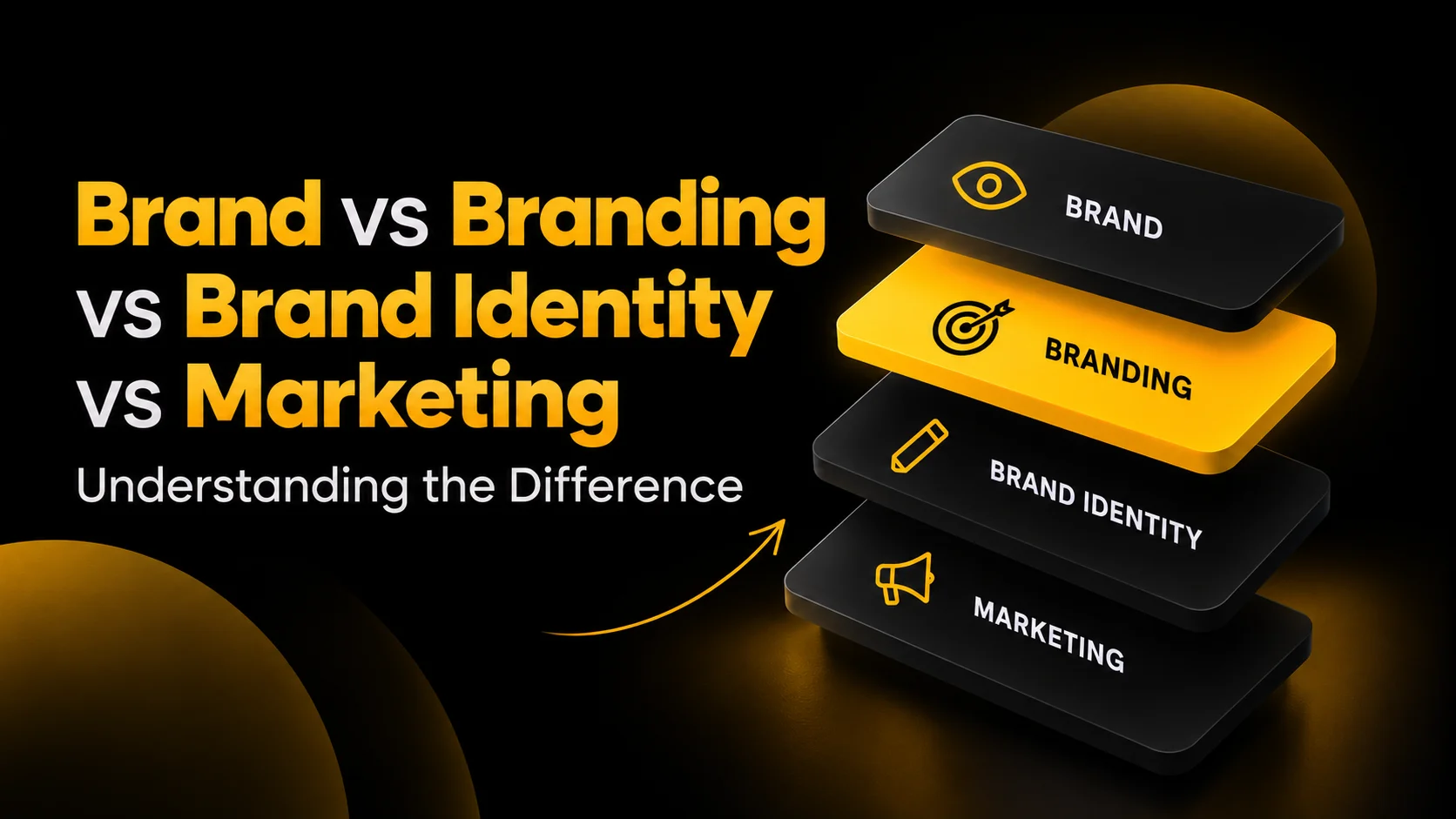
This is also where branding and marketing connect. Your brand influences how people understand and remember your business, while your website communicates that identity and supports the marketing process. If you want to explore these concepts further, read the difference between brand, branding, brand identity, and marketing.
A well-positioned website does not try to appeal to everyone with the same generic message. It helps the right audience recognise that the business understands their needs.
What Makes a Website Effective?
An effective website is not defined by fancy animations, a large number of pages, or visual design alone. Those elements may have a purpose, but they do not replace clarity and usability.
A website should answer four fundamental questions.
1. Who Is This For?
Visitors should be able to recognise whether the business serves people like them. Clear service descriptions, audience-specific messaging, and useful navigation help visitors find the information relevant to their situation.
When the target audience is unclear, people may struggle to understand whether the business can help them.
2. Why Should I Care?
The website should communicate the value of the product or service, not merely list features.
Explain the problem being addressed, the benefits the customer can reasonably expect, and how the service fits their needs. Specific, understandable information is generally more useful than broad promotional claims.
3. Why Should I Trust You?
People often need evidence before making a decision, especially when the service involves significant cost, commitment, or perceived risk.
Relevant case studies, genuine testimonials, examples of work, transparent processes, clear contact information, and accurate service details can help reduce uncertainty.
Trust should be supported by credible evidence and a consistent experience, not just claims about being the best.
4. What Should I Do Next?
Once visitors understand the business and its value, they should know how to proceed.
Use clear calls to action that match the page's purpose. Depending on the context, that might mean requesting a quote, contacting the business, exploring a service, or making a purchase.
Avoid making visitors search through multiple pages just to discover how to get in touch. The next step should be visible, relevant, and straightforward.
Website Design Should Follow Strategy
It is easy to begin a website project by discussing colours, fonts, layouts, animations, and page sections. These decisions matter, but they should follow a clear understanding of what the website needs to achieve.
Before designing the interface, consider the business objectives, target audience, positioning, core messages, and actions visitors should take.
These decisions influence the website's structure. They help determine which pages are needed, what information should appear first, how services should be organised, and how visitors move from initial interest towards an enquiry or purchase.
For example, a service business focused on generating qualified leads may need clear service pages, evidence of expertise, answers to common objections, and an accessible enquiry process. An e-commerce business may need intuitive product categories, useful product information, a smooth checkout, and clear delivery and return details.
Both need good design, but their priorities are not identical.
When strategy comes first, design and development have a clearer purpose. Instead of building a website that simply looks finished, the business can build one that supports its actual goals.
How to Evaluate Your Existing Website
If you already have a website, you do not necessarily need to rebuild it. Start by identifying where the current experience helps or hinders your audience.
- Clarity: Can a first-time visitor understand what you offer and who it is for?
- Relevance: Do your pages address the needs and expectations of the people you want to reach?
- Credibility: Is there enough useful evidence to support your claims?
- Usability: Can visitors find important information easily on mobile and desktop?
- Performance: Does the website load reliably, and do its key interactions work correctly?
- Conversion: Are the desired actions clear and easy to complete?
- Measurement: Can you identify meaningful actions and evaluate whether the website contributes to your business objectives?
Use available analytics, search performance data, customer feedback, and enquiry quality to identify opportunities. Look beyond surface-level metrics and examine whether the website attracts the right audience and helps them move forward.
Prioritise improvements based on their likely impact. A confusing service page or broken enquiry form may deserve attention before a cosmetic redesign.
Conclusion: Build Your Website Around Your Business Goals
Your website is not your entire marketing strategy. It is where important parts of that strategy become visible to potential customers.
SEO, paid advertising, social media, and email can introduce people to your business. Your website then has an opportunity to explain your value, communicate your positioning, establish credibility, and guide visitors towards an appropriate action.
That is why an effective website requires more than attractive design. It needs a clear purpose, relevant messaging, a useful user experience, credible information, and a logical path forward.
Before asking how your website should look, ask what it needs to communicate, who it needs to serve, and what it should help people do.
Then build the website around those answers.
Need a Website Built Around Your Business Goals?
If your business needs a website that communicates its value clearly, builds trust, and supports your marketing efforts, explore Irshad's web development services.
Whether you need a new business website, an e-commerce website, or a redesign of your existing site, the focus should be on building a useful digital asset around your business needs—not just creating another website to exist online.